What is maritime intelligence?
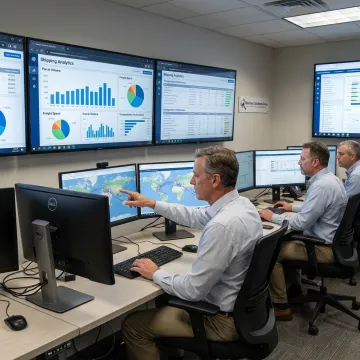
Maritime intelligence is the collection and analysis of shipping, vessel, route, port, and cargo data to support better operational and strategic decisions. In a broader logistics context, it fits within transportation intelligence by helping businesses understand movement patterns, costs, risks, and performance across ocean shipping and related supply chain activities.
What does shipping intelligence software do?
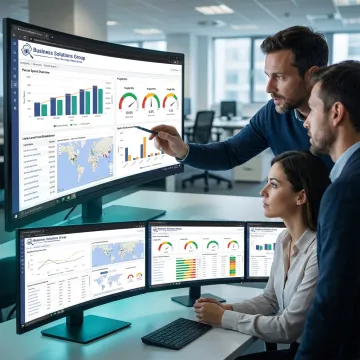
Shipping intelligence software gathers transportation data from carriers, invoices, TMS platforms, ERP systems, and warehouse tools to create usable insights. It helps businesses track spend, compare carrier performance, identify billing errors, monitor shipment trends, and automate reporting. The goal is to replace manual analysis with faster, more accurate visibility that supports cost control and better logistics decisions.
Who benefits most from shipping analytics software?
Shipping analytics software is especially valuable for small parcel shippers, freight shippers, multi-location businesses, and companies with rising transportation costs or limited reporting visibility. Teams managing parcel, LTL, FTL, air, ocean, or rail activity can use it to uncover savings opportunities, improve planning, and make more informed carrier and operational decisions.
Can shipping analytics help reduce transportation costs?
Yes. Strong analytics tools help reduce transportation costs by identifying rate variances, accessorial trends, invoice discrepancies, margin leakage, and underperforming carrier arrangements. When paired with benchmark analysis and advisory support, the data becomes even more useful because teams can act on specific findings instead of relying on broad assumptions or delayed monthly reports.
What data sources can be integrated into a shipping intelligence platform?
A shipping intelligence platform can typically connect data from carrier invoices, transportation management systems, ERP platforms, warehouse management systems, accounting tools, and internal operational reports. Bringing these sources together creates a single reporting environment, which improves accuracy, reduces duplicate work, and gives leadership a more complete view of shipping and supply chain performance.
How is parcel spend intelligence different from a standard TMS?
A standard TMS is designed to help plan, route, execute, and track shipments. Parcel spend intelligence focuses more deeply on analyzing shipping costs, margin impact, billing patterns, and recovery opportunities. Many businesses use both together: the TMS manages transportation workflows, while spend intelligence software provides the detailed financial and performance analysis needed for optimization.
How long does it take to start seeing value from shipping analytics software?
Many businesses begin seeing value once data is connected and dashboards are configured around key shipping metrics. Early wins often come from identifying billing issues, cost variances, and reporting inefficiencies. Broader value builds over time as teams use the software to improve carrier strategy, budgeting, operational planning, and ongoing transportation performance management.
Does shipping intelligence software replace spreadsheets and manual reporting?
In many cases, yes. Shipping intelligence software is designed to reduce dependence on spreadsheets by automating data collection, consolidating reporting, and presenting insights through dashboards and alerts. That means less manual manipulation, fewer reporting errors, and faster access to information that finance, operations, and logistics teams can use to make timely decisions.